 Speed Readingo
About Speed Readingo
Speed Readingo is a speed reading and memory training app for iPhone and Android, made by Fastemy. This site holds its free tools and lessons, in English and Turkish.

The app
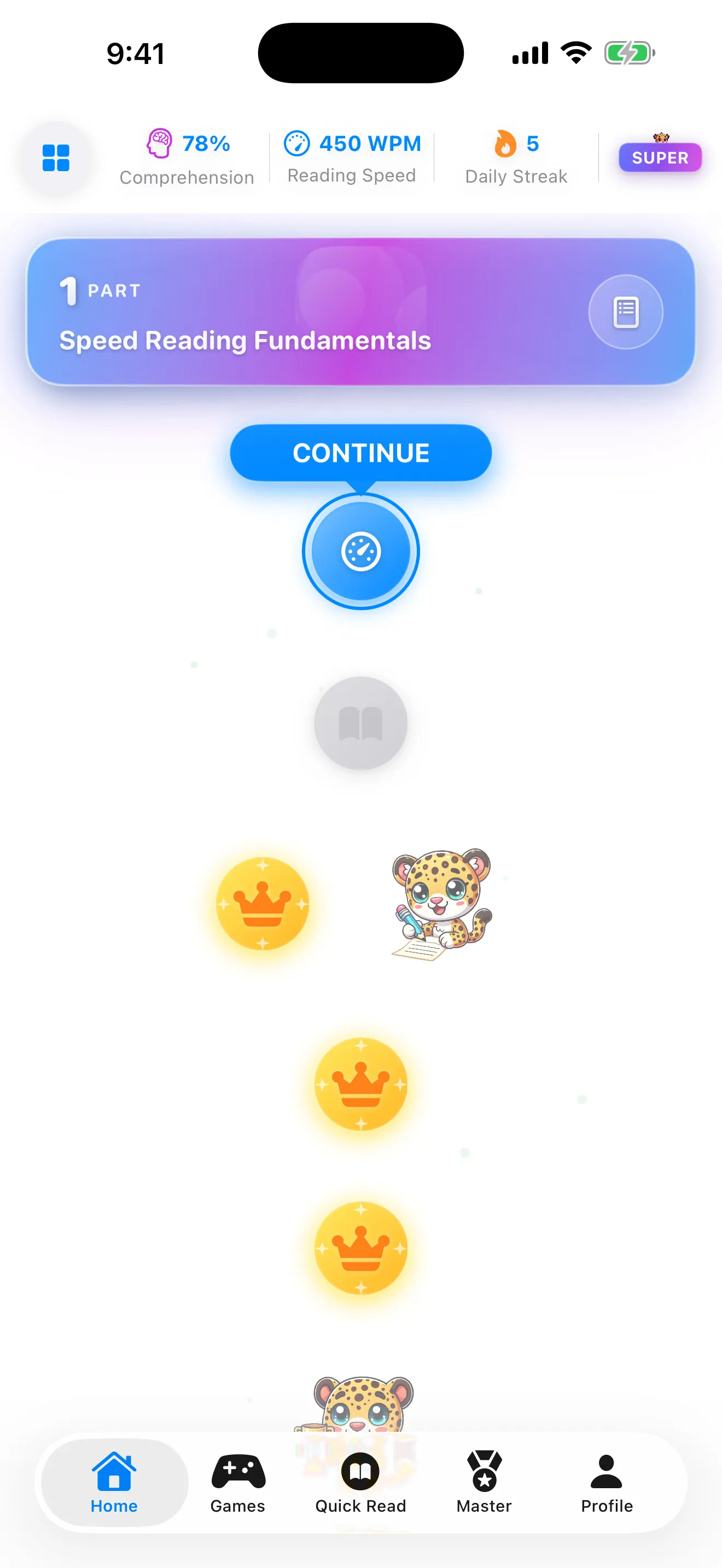
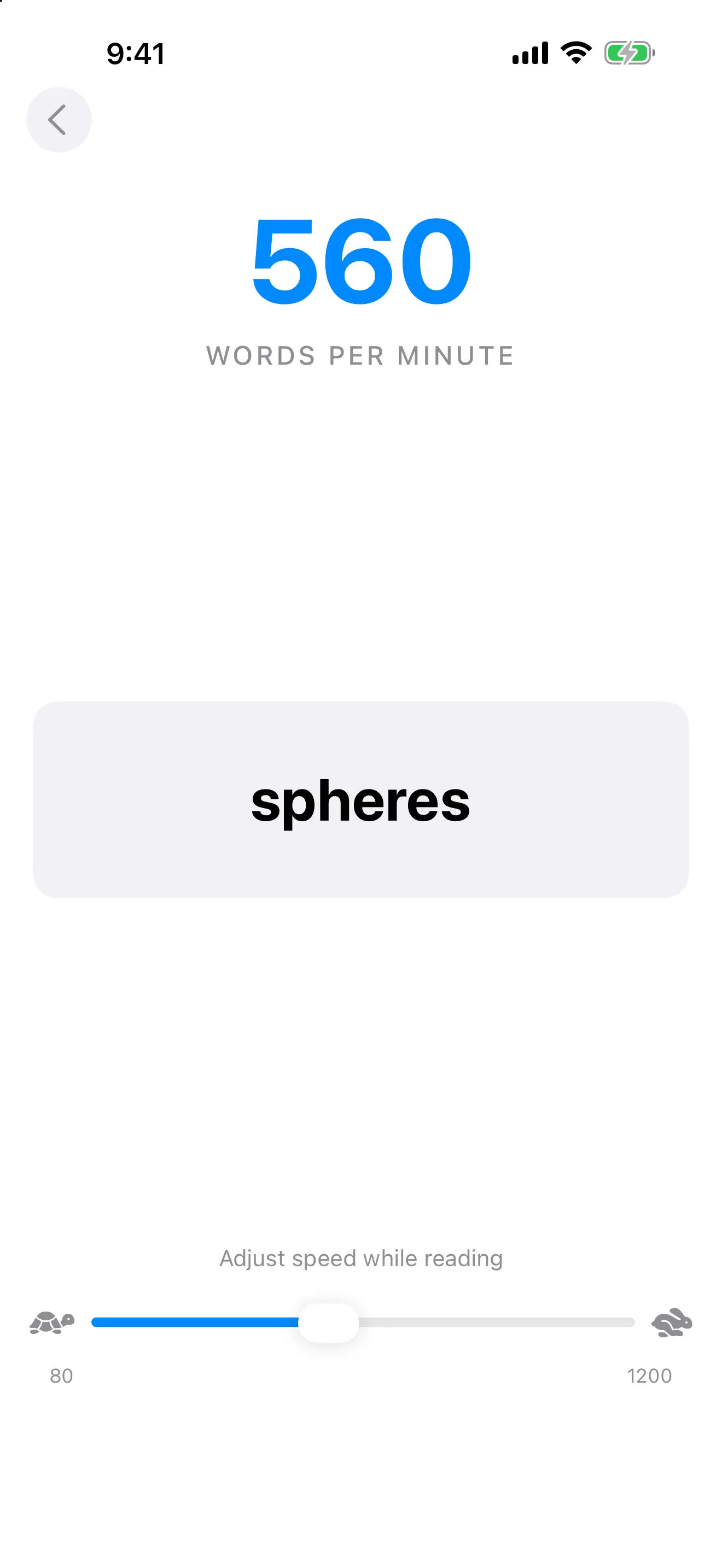
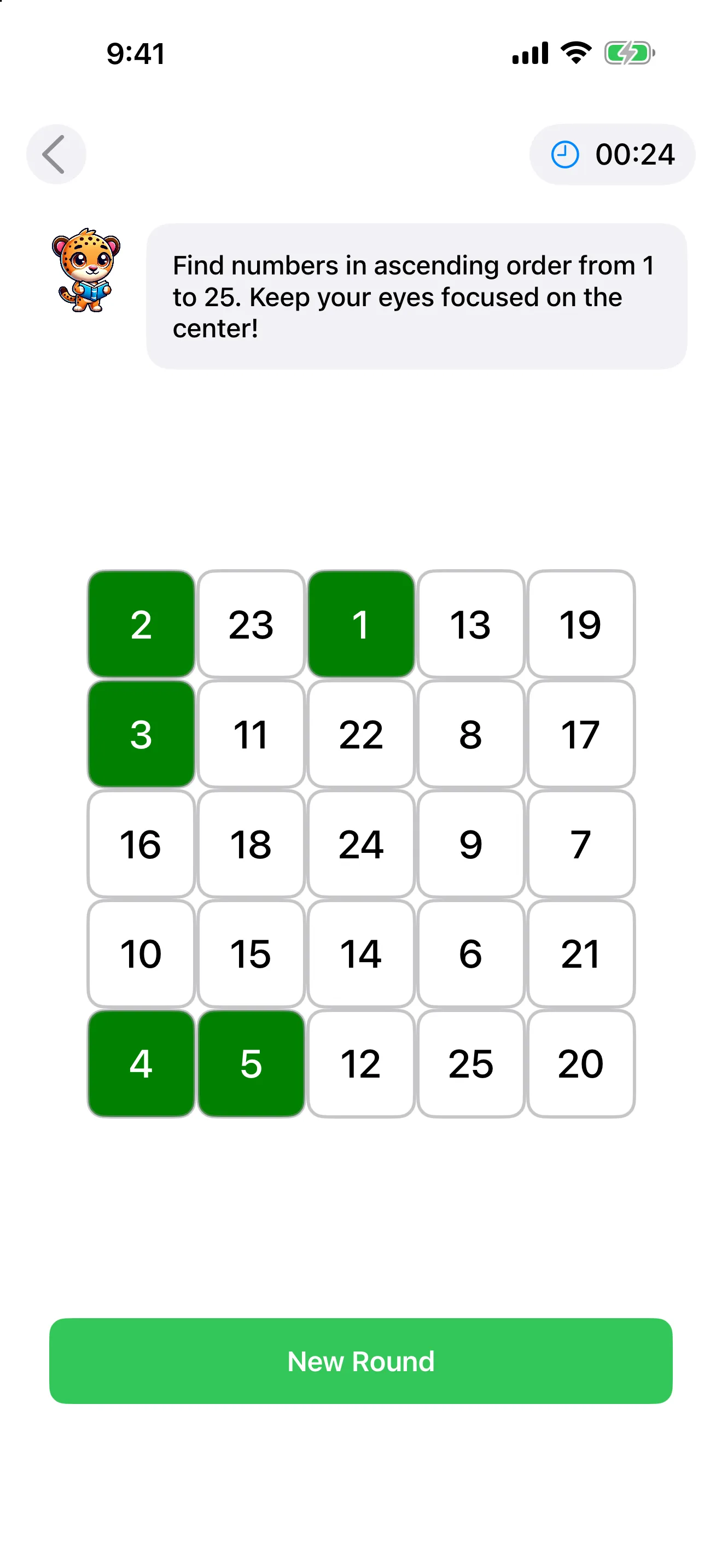
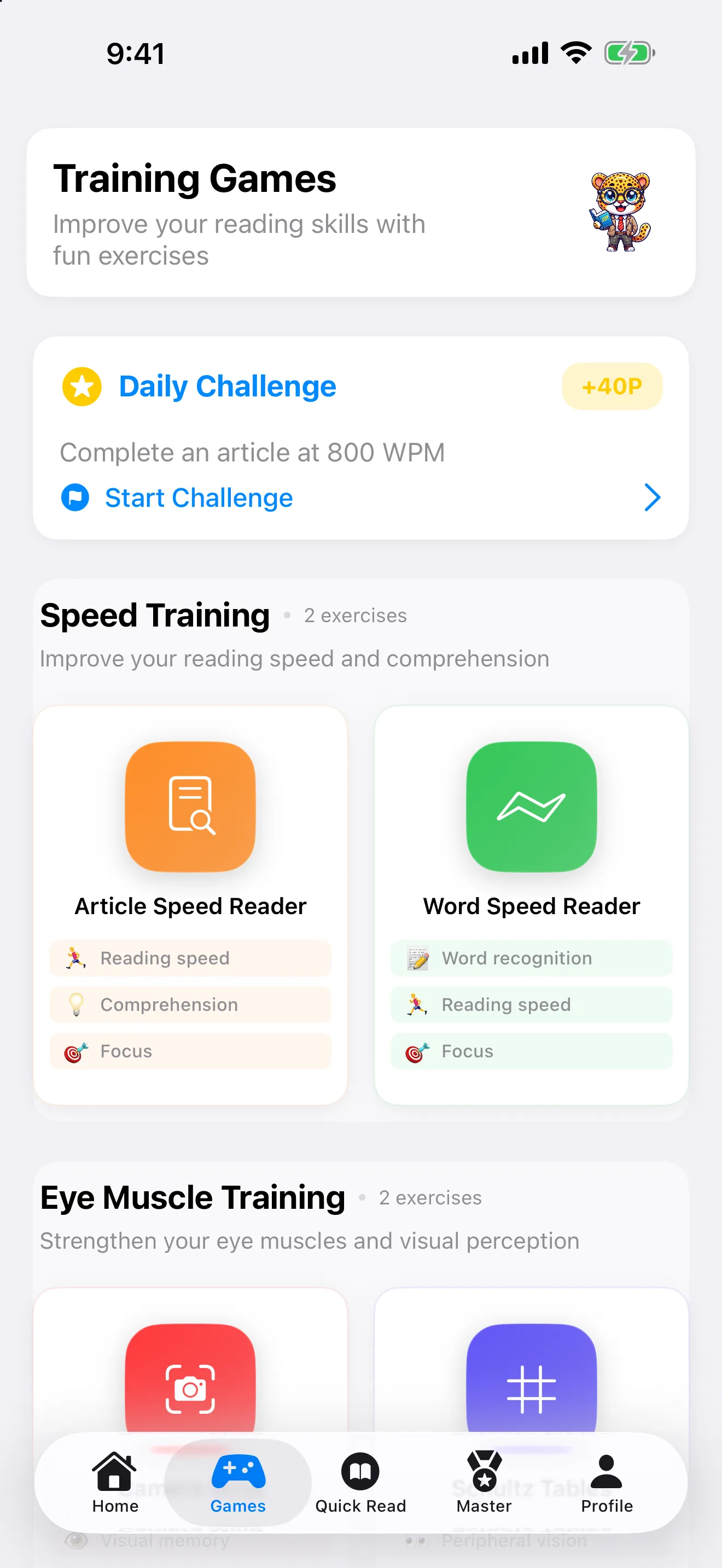
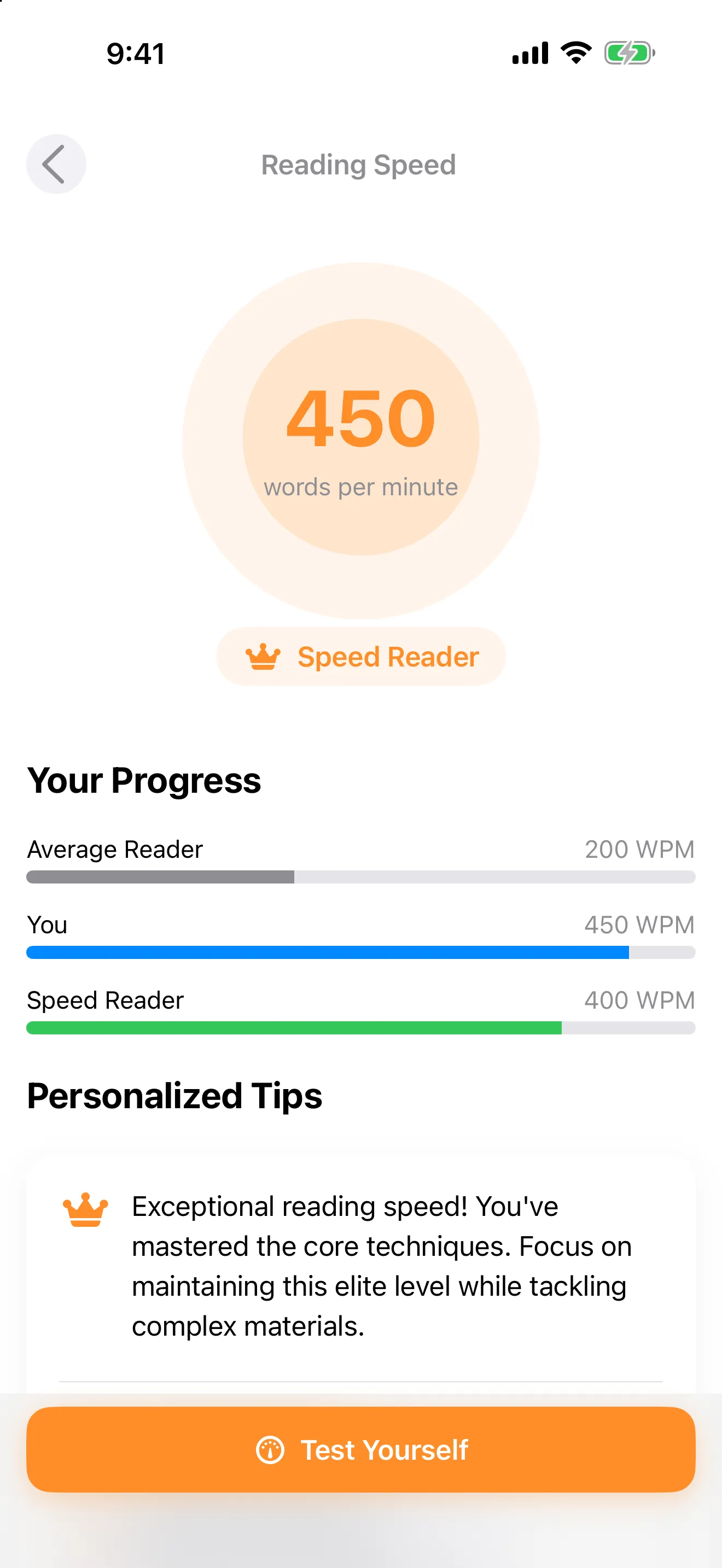
The app turns the method into a daily routine: a lesson path, RSVP drills up to 1,200 words per minute, Schulte tables, memory games and a daily streak. It is free to download, with an optional Premium subscription inside the app.
On the App Store it appears as “Speed Reading - RSVP Reader” in the US, “Hızlı Okuma Eğitimi” in Türkiye and “RSVP Reader Concentration Grid” in other English-speaking storefronts; on the home screen it is simply Speed Readingo.
The author

Abdullah Yılmaz · Speed reading instructor · Founder of Fastemy
Abdullah Yılmaz built Speed Readingo and teaches speed reading and memory techniques. His Turkish course on Udemy has taught more than 49,000 students since 2018, with a 4.6 rating from over 10,500 reviews. The lessons on this site follow the same method, adapted for the web and for the app.
Speed Reading Techniques & Memory: Learn Like a Genius (49,126 · 4.6★ · 10,519) · fastemy.com · LinkedIn · X · YouTube
The method
The lessons follow the course Abdullah Yılmaz has taught since 2018: three steps, pre-reading, reading with your eyes and marking, practised in short daily sessions. Each lesson pairs the method with what research says about it, including where the evidence is thin.
How we handle numbers
- Every figure in the lessons, guides and tools comes from published research or an official source and is cited on the page, with the population and the year.
- When the research disagrees with a common speed-reading claim, we say so, even when the claim is popular.
- Our reading speed test reports comprehension next to speed, and flags results under 70% correct, because speed without understanding is skimming.
- Turkish results are compared with Turkish studies only: the same content takes fewer, longer words in Turkish.
- We review the content as a whole regularly; each lesson and guide shows the date it was last updated.
Sources we cite
- Acartürk, C., Özkan, A., Pekçetin, T. N., Ormanoğlu, Z., & Kırkıcı, B. (2024). TURead: An eye movement dataset of Turkish reading. Behavior Research Methods, 56(3), 1793–1816.
- Acklin, D., & Papesh, M. H. (2017). Modern speed-reading apps do not foster reading comprehension. American Journal of Psychology, 130(2), 183–199.
- Association for Psychological Science (2016). Speed reading: report and commentary (Rayner et al., with D. A. Balota). psychologicalscience.org.
- Benedetto, S., Carbone, A., Pedrotti, M., Le Fevre, K., Bey, L. A. Y., & Baccino, T. (2015). Rapid serial visual presentation in reading: The case of Spritz. Computers in Human Behavior, 45, 352–358.
- Brysbaert, M. (2019). How many words do we read per minute? A review and meta-analysis of reading rate. Journal of Memory and Language, 109, 104047.
- Carabba, F., Borsati, C., Fontana, G., Altieri, E., Vicovaro, M., & Battaglini, L. (2026). Probing the use of visual search as a tool to enhance reading speed. Attention, Perception, & Psychophysics, 88(7), 190.
- Carver, R. P. (1985). How good are some of the world’s best readers?. Reading Research Quarterly, 20(4), 389–419.
- Cepeda, N. J., Pashler, H., Vul, E., Wixted, J. T., & Rohrer, D. (2006). Distributed practice in verbal recall tasks: A review and quantitative synthesis. Psychological Bulletin, 132(3), 354–380.
- Cepeda, N. J., Vul, E., Rohrer, D., Wixted, J. T., & Pashler, H. (2008). Spacing effects in learning: A temporal ridgeline of optimal retention. Psychological Science, 19(11), 1095–1102.
- Coşkun, E. (2007). Lise öğrencilerinin okuma hızı ve anlama düzeyleri üzerine bir araştırma. Milli Eğitim, 172, 29–39.
- Dresler, M., Shirer, W. R., Konrad, B. N., et al. (2017). Mnemonic training reshapes brain networks to support superior memory. Neuron, 93(5), 1227–1235.
- Duggan, G. B., & Payne, S. J. (2009). Text skimming: The process and effectiveness of foraging through text under time pressure. Journal of Experimental Psychology: Applied, 15(3), 228–242.
- Dunlosky, J., Rawson, K. A., Marsh, E. J., Nathan, M. J., & Willingham, D. T. (2013). Improving students’ learning with effective learning techniques. Psychological Science in the Public Interest, 14(1), 4–58.
- Durukan, E. (2014). Metinlerin okunabilirlik düzeyleri ile öğrencilerin okuma becerileri arasındaki ilişki. Ana Dili Eğitimi Dergisi, 2(3).
- Erden, G., Kurdoğlu, F., & Uslu, R. (2002). İlköğretim okullarına devam eden Türk çocuklarının sınıf düzeylerine göre okuma hızı ve yazım hataları normlarının geliştirilmesi. Türk Psikiyatri Dergisi, 13(1), 5–13.
- Graves, M. F., et al. (1983). Effects of previewing difficult short stories on low ability junior high school students’ comprehension, recall, and attitudes. Reading Research Quarterly.
- Greenlees, I., Thelwell, R., & Holder, T. (2006). Examining the efficacy of the concentration grid exercise as a concentration enhancement exercise. Psychology of Sport and Exercise, 7(1), 29–39.
- HandWiki (n.d.). Schulte table. handwiki.org.
- Kuperman, V., & Van Dyke, J. A. (2011). Effects of individual differences in verbal skills on eye-movement patterns during sentence reading. Journal of Memory and Language, 65(1), 42–73.
- Lu, A., Wang, D., He, S., Zhongcheng, Q., Zhang, W., & Li, Z. (2022). Attention mechanisms underlying dual-color digital visual search based on Schulte grid: An event-related potential study. Brain and Behavior, 12(2), e2471.
- McNamara, D. S. (2000). Preliminary analysis of PhotoReading. NASA Ames Research Center (report NAG2-1319).
- MEB (2026). Sınavla Öğrenci Alacak Ortaöğretim Kurumlarına İlişkin Merkezî Sınav Başvuru ve Uygulama Kılavuzu. Millî Eğitim Bakanlığı.
- Mol, S. E., & Bus, A. G. (2011). To read or not to read: A meta-analysis of print exposure from infancy to early adulthood. Psychological Bulletin, 137(2), 267–296.
- ÖSYM (2026). YKS maratonunda ilk oturum sona erdi (TYT: 120 soru, 165 dakika). osym.gov.tr.
- ÖSYM (2026). 2026-YKS sıkça sorulan sorular. ÖSYM.
- ÖSYM (2026). 2026 KPSS Kılavuzu (Lisans). ÖSYM.
- Perrone-Bertolotti, M., et al. (2012). How silent is silent reading? Intracerebral evidence for top-down activation of temporal voice areas during reading. Journal of Neuroscience, 32(49), 17554–17562.
- Rayner, K. (2009). Eye movements and attention in reading, scene perception, and visual search. Quarterly Journal of Experimental Psychology, 62(8), 1457–1506.
- Rayner, K., Schotter, E. R., Masson, M. E. J., Potter, M. C., & Treiman, R. (2016). So much to read, so little time: How do we read, and can speed reading help?. Psychological Science in the Public Interest, 17(1), 4–34.
- Recht, D. R., & Leslie, L. (1988). Effect of prior knowledge on good and poor readers’ memory of text. Journal of Educational Psychology.
- Schotter, E. R., Tran, R., & Rayner, K. (2014). Don’t believe what you read (only once): Comprehension is supported by regressions during reading. Psychological Science, 25(6), 1218–1226.
- Trauzettel-Klosinski, S., Dietz, K., & the IReST Study Group (2012). Standardized assessment of reading performance: The new International Reading Speed Texts IReST. Investigative Ophthalmology & Visual Science, 53(9), 5452–5461.
- Twomey, C., & Kroneisen, M. (2021). The effectiveness of the loci method as a mnemonic device: Meta-analysis. Quarterly Journal of Experimental Psychology, 74(8), 1317–1326.
- Yalçın, A., Çeltik, S. E., & Altınok, Ş. (2017). Hukuk fakültesi öğrencilerinin hızlı okuma becerilerinin değerlendirilmesi. Ahi Evran Üniversitesi Kırşehir Eğitim Fakültesi Dergisi, 18(3), 100–114.
- Yang, C., Luo, L., Vadillo, M. A., Yu, R., & Shanks, D. R. (2021). Testing (quizzing) boosts classroom learning: A systematic and meta-analytic review. Psychological Bulletin, 147(4), 399–435.
- Yıldırım, K., Rasinski, T., & Kaya, D. (2017). Fluency and comprehension of expository texts in Turkish students in grades four through eight. Eğitim ve Bilim, 42(192), 87–98.
Contact
Found a mistake or a better source? Write to contact@fastemy.com